Acupuncture for Migraines: What to Know Before You Start
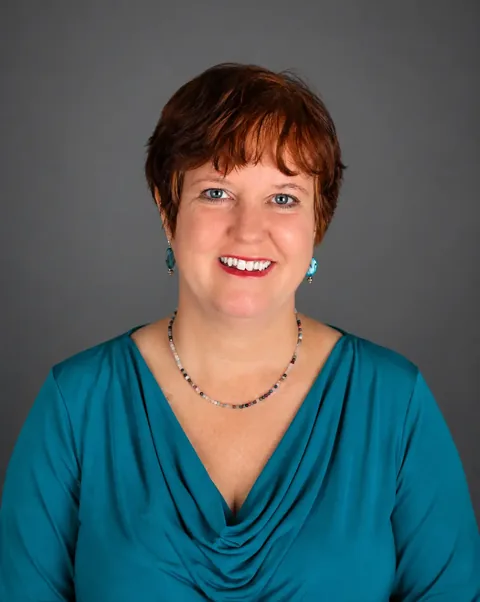
By Amy Hinchcliffe, L.Ac., EAMP
Bastyr University graduate, 20+ years in practice · Lynnwood, WA

Migraines are more than a bad headache
If you live with migraines, you already know they are not ordinary headaches. A migraine can bring throbbing pain on one side of the head, nausea, and a sensitivity to light and sound that sends you looking for a dark, quiet room. Attacks can last for hours or days, and the fog afterward can steal another day on top of that.
Many people manage attacks with medication and still feel frustrated. The medicine helps in the moment, but the migraines keep coming. That is often the point where patients start asking a different question: is there anything that helps reduce how often attacks happen in the first place? For many of our Lynnwood patients, acupuncture becomes part of that longer-term answer.
What does the research say?
It helps to be honest about the evidence. The National Center for Complementary and Integrative Health (NCCIH), part of the U.S. National Institutes of Health, reports that acupuncture may help reduce the frequency of tension headaches and prevent migraine headaches. Large combined analyses of migraine studies have found that acupuncture can lower how often attacks occur for many people.
Researchers also note something interesting: part of acupuncture's benefit in studies seems to come from the overall experience of care, including rest, expectation, and the therapeutic relationship, not only from the needles themselves. We are comfortable saying that out loud. A treatment plan that gets you resting regularly, sleeping better, and paying attention to your patterns is doing real work, whichever part of it deserves the credit.
Acupuncture is not a replacement for your neurologist or your prescribed medication, and you should never stop a prescribed preventive on your own. Think of it as one well-studied layer added to the care you already have.
What a migraine treatment plan looks like here
At Origin of Healing, a migraine plan starts with your pattern, not a standard protocol. At your first visit, Amy Hinchcliffe, L.Ac., will ask about your attack history: how often, how long, what seems to trigger them, how you sleep, and what your neck and shoulders do all day. Many migraine patterns travel with tight muscles at the base of the skull and the jaw, so those areas get careful attention.
A typical plan looks like this:
- An initial series. Migraine prevention is built over a series of visits, commonly weekly at first. One session is a snapshot; a series is where frequency changes are usually noticed.
- Treatment during calm periods. Sessions are scheduled between attacks to work on prevention. If you arrive mid-attack, treatment shifts to gentle support.
- Whole-pattern care. Depending on your picture, treatment may combine acupuncture with work on neck and jaw tension, and sometimes Chinese herbal medicine between visits.
- A review point. After the initial series, you and Amy compare your migraine diary before and after, and decide together whether to space visits out, continue, or adjust.
You can read more about how we approach migraines on our migraine care page, and about the kinds of headaches we see on our headaches and migraines page.
The migraine diary: a small habit that changes everything
If you do one thing before your first appointment, do this. For two to four weeks, keep a simple diary. It takes about two minutes a day. Note:
Patterns that are invisible week to week become obvious on paper. Patients regularly discover that their attacks follow short sleep plus a skipped lunch, or land two days after a deadline, not during it. Knowing your pattern does two things: it gives you changes you can make yourself, and it gives your practitioner a much sharper starting point.
Know the warning signs
Most migraines are miserable but not dangerous. Some headaches are different, and they need emergency care, not an appointment. Get urgent help for a headache that is sudden and the worst you have ever had, or a headache that comes with weakness or numbness, trouble speaking, confusion, vision loss, fainting, or fever with a stiff neck. A new headache pattern after age 50, or a headache that steadily changes character, should also be checked by a doctor promptly.
Frequently asked questions
Ready to try a different approach to migraine care?
Origin of Healing is in Lynnwood, serving Edmonds, Mountlake Terrace, and Everett. Book online at originofhealing.com/book or call (206) 661-6842. We are in-network with Regence, Premera Blue Cross, Blue Cross Blue Shield, and Aetna, and HSA/FSA cards are accepted.